
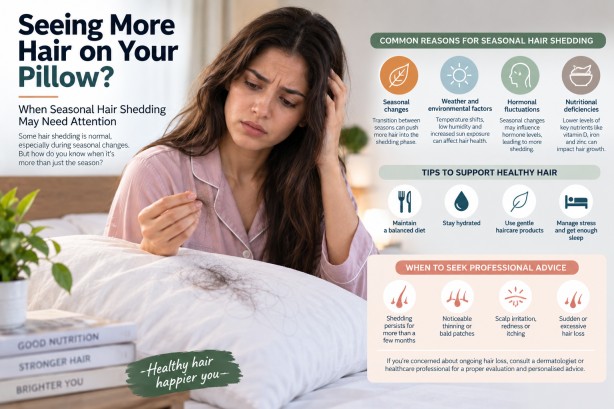
Discovering an increased amount of hair on your pillow, comb, or in the shower can be concerning. While seasonal changes can sometimes lead to more hair shedding, not every instance of excessive hair loss should be chalked up to a change in weather. Understanding the patterns, duration, and severity of hair loss can help determine when it’s time to pay closer attention.
Hair naturally cycles through phases of growth, rest, and shedding. At times, more hairs might enter the shedding phase, which can make hair loss more noticeable. Mild seasonal shedding typically resolves on its own without significantly affecting overall hair density. However, continuous or increasingly heavy hair loss might indicate other causes beyond seasonal changes.
Temporary shedding is typically mild and improves over time, but excessive shedding can be more apparent, with large amounts of hair falling out during washing, brushing, or styling. This might also result in visibly thinner areas, particularly around the parting or hairline. A sudden increase in hair loss, especially if it persists for weeks, should be monitored closely.
Professional advice may be necessary if hair shedding persists for several months, results in visible scalp thinning, or leads to a noticeable reduction in hair density. Other concerns include concentrated hair loss in specific areas, sudden heavy shedding, hair loss following illness, stress, significant weight loss, or dietary changes. Postpartum hair loss or changes after medication adjustments are also noteworthy patterns that could be linked to temporary shifts in the hair-growth cycle or other factors.
Persistent hair loss can stem from various causes, including nutritional deficiencies, thyroid problems, hormonal changes, stress, illness, rapid weight loss, or certain medications. Genetic factors might also contribute to gradual hair thinning. Given the diverse potential causes, persistent hair loss should be evaluated rather than treated based solely on assumptions. Supporting normal hair growth involves maintaining a balanced lifestyle, ensuring adequate protein and nutrients, managing stress, and avoiding harsh hair treatments. While a few extra strands of hair may not signal a serious issue, if shedding remains heavy, continues for months, or causes noticeable thinning, seeking evaluation is advisable.