
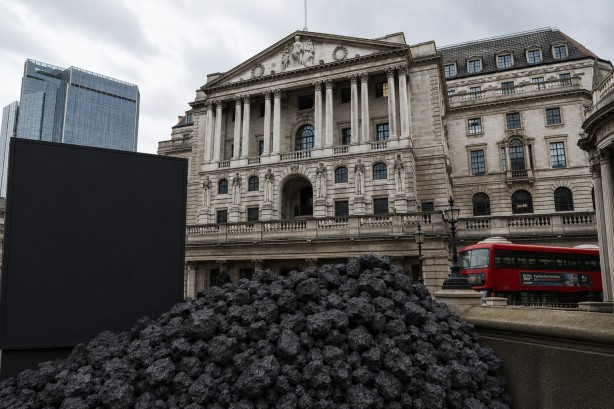
In an effort to tackle climate-related financial risks, the Bank of England will cease to accept bonds tied to thermal coal companies as collateral for its lending operations starting this October. This decision marks a significant move by the central bank towards supporting the global transition to cleaner energy sources and addressing the financial vulnerabilities associated with fossil fuels.
Commercial banks frequently use bonds as collateral for borrowing from the central bank to ensure they have the necessary liquidity for daily operations and transaction settlements. With the new policy, bonds related specifically to thermal coal—the type of coal used predominantly in electricity generation—will no longer be accepted. This change highlights the growing concern about the financial risks faced by companies involved in thermal coal, as many countries are intensifying efforts to reduce carbon emissions and shift towards net-zero targets. Consequently, assets tied to coal may depreciate over time.
Additionally, the Bank of England’s new policy allows for the application of discounts on bonds from other sectors that are exposed to climate risks. This measure is intended to safeguard the central bank’s balance sheet from potential future losses stemming from environmentally risky investments. Environmental advocates have praised the policy, viewing it as a powerful message to financial markets that could prompt commercial banks to reconsider their involvement in industries with high pollution levels.
More than 150 major financial institutions around the globe have already implemented restrictions on their business activities related to the thermal coal industry. Analysts emphasize that the success of the Bank of England’s initiative will largely hinge on the assessment of climate risks and the potential expansion of similar policies to encompass other environmentally detrimental activities in the future.