
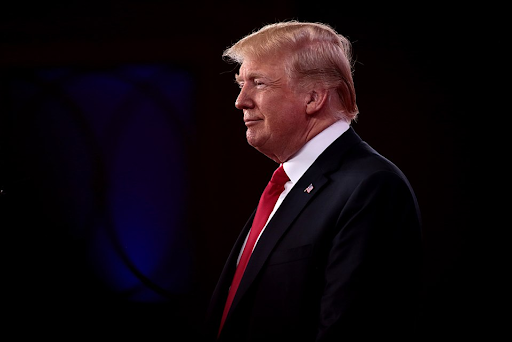
President Trump has faulted South Korea with a concrete threat of 25% tariffs, blaming parliamentary inaction for preventing implementation of a trade agreement that was supposed to have taken effect months ago. The president’s criticism places exclusive responsibility on the Korean legislature for what he views as deliberate obstruction. The threat affects automobiles, pharmaceuticals, lumber, and other major export categories representing billions in annual trade and supporting extensive Korean manufacturing employment.
The trade framework negotiated in 2024 included American tariff reductions from 25% to 15% on Korean vehicles in exchange for substantial Korean investment commitments in American facilities and infrastructure. However, the agreement has stalled due to disputes about whether parliamentary ratification is constitutionally required, with different branches of government and political parties holding conflicting legal interpretations.
Korean officials were blindsided by Trump’s public announcement, learning about the tariff threat through media reports rather than diplomatic channels. The government is responding with emergency consultations in Washington and expedited parliamentary negotiations to build consensus for legislative action.
The automotive sector represents more than a quarter of Korean exports to America and employs hundreds of thousands of workers, making it extraordinarily vulnerable. Manufacturers have invested decades building market presence, and sudden tariff increases would fundamentally undermine competitive positions against rivals.
Trump’s approach continues emphasizing unpredictability and trade threats as primary negotiating tools. International experts warn that constant uncertainty creates business anxiety and market volatility with measurable economic costs regardless of whether threats are implemented.