
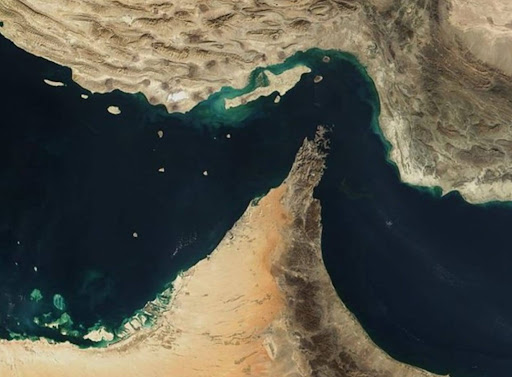
Anyone expecting a quick diplomatic fix to the Strait of Hormuz crisis is likely to be disappointed — the combination of active military conflict, deeply entrenched Iranian strategic interests, fractured international coalition-building, and slow-moving multilateral diplomatic processes makes a rapid resolution unlikely despite the enormous economic pressure to find one. President Trump’s calls for allied warships have failed to produce commitments, China’s diplomatic engagement with Tehran is progressing slowly, and every potential mechanism for resolution — from EU mission expansion to France’s future escort plan — is conditioned on changes in the conflict environment that show no sign of imminent materialisation.
Iran’s blockade of the strait was launched in late February as retaliation for US-Israeli airstrikes and has since generated the most severe oil supply disruption in history. One-fifth of global oil exports ordinarily flow through the passage. Tehran has attacked sixteen tankers, declared vessels heading for American or allied ports to be legitimate targets, and threatened to mine the waterway. The blockade is serving Iran’s strategic purpose of imposing economic costs on the US and its allies, and abandoning it would require either a significant change in the military situation or a diplomatic arrangement that Tehran can accept without appearing to have capitulated.
Every proposed mechanism for resolution faces significant obstacles. The naval coalition that Trump is calling for has produced zero commitments. France’s escort mission plan is conditioned on reduced fighting. The EU’s Aspides expansion faces German scepticism and French unavailability. Japan’s constitutional constraints and South Korea’s careful deliberation add additional delays to any multilateral framework. China’s backchannel talks with Tehran are the most active diplomatic track, but their progress is opaque and their outcome uncertain. US Energy Secretary Chris Wright’s dialogue with multiple nations has not yet produced publicly visible results.
The diplomatic marathon quality of the crisis is compounded by its multi-party nature. A resolution requires agreement not just between two parties but among Iran, the United States, Israel, and potentially the broader international community about the conditions under which the strait can be reopened and commercial shipping can resume safely. Each of these parties has its own interests, red lines, and domestic political constraints. Coordinating a resolution that all of them can accept is an extraordinarily complex diplomatic challenge that cannot be resolved quickly even with the best intentions and most skilled diplomacy.
China’s role in any eventual resolution is pivotal precisely because Beijing has relationships with most of the relevant parties and interests that align with finding a workable arrangement. The Chinese embassy confirmed China’s commitment to constructive regional engagement. US Energy Secretary Chris Wright expressed hope that China would prove a constructive partner. The diplomatic marathon may ultimately require a Chinese-mediated arrangement rather than the military coalition that Trump has been pushing for — a conclusion that has profound implications not just for the immediate crisis but for the future architecture of global energy security.