
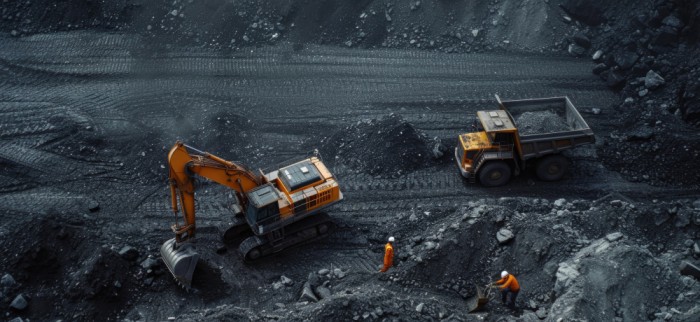
President Donald Trump has unveiled a $700 million federal initiative aimed at bolstering the coal industry in the United States. Utilizing the Defense Production Act, a law traditionally used during national emergencies, the administration plans to channel these funds into more than a dozen existing coal-fired power plants spread across multiple states. The initiative is designed to keep these facilities operational, restart dormant ones, and develop new infrastructure to enhance coal production and exports.
The plan includes the construction of two new coal power plants in Alaska and West Virginia, along with establishing a new coal export terminal and reopening an existing facility in Maryland. According to the administration, this effort is intended to stabilize energy prices and fortify the domestic energy supply as demand continues to grow. Proponents of the initiative believe it will ensure energy reliability and cater to the increasing electricity needs of industrial sectors.
States set to benefit from the program include West Virginia, Kentucky, North Carolina, Indiana, Tennessee, Arkansas, Arizona, Oklahoma, North Dakota, and Wisconsin. This move is part of a broader strategy to revive a coal sector that has seen significant declines in recent decades due to the rise of natural gas and renewable energy sources.
However, the initiative has drawn criticism from environmental groups who argue that coal remains a significant contributor to air pollution and greenhouse gas emissions. They warn that continued investment in coal could exacerbate health and climate issues. Experts also point out that coal is becoming increasingly less competitive compared to more cost-effective alternatives like natural gas and renewable energy sources.
Despite these concerns, representatives from the coal industry have welcomed the decision, citing the potential for increased coal production to support grid stability amid rising electricity demand. They argue that this initiative could provide a much-needed boost to an industry facing stiff competition from cheaper energy alternatives.