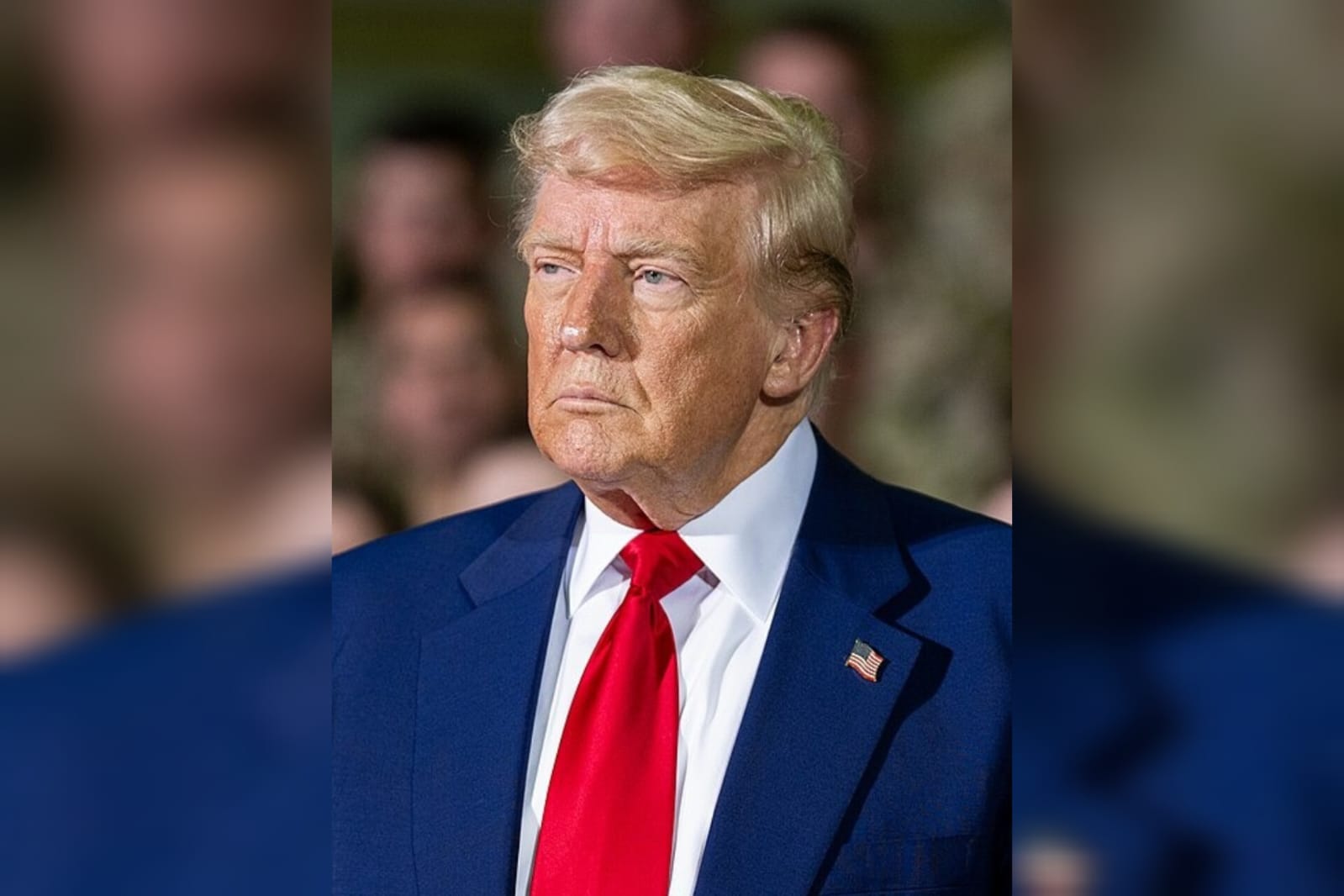
A memorandum of understanding (MOU) signed by U.S. President Donald Trump and Iran has sparked a wide array of reactions worldwide. The agreement, which some leaders hail as a diplomatic breakthrough, aims to reduce tensions but has been criticized for potentially granting Iran substantial concessions without firm assurances regarding its nuclear ambitions. In particular, the MOU outlines that Iran will reopen the Strait of Hormuz, a critical waterway for global oil shipments, while the U.S. plans to ease certain sanctions on Iranian oil exports and related financial services. Over the next 60 days, both nations are set to engage in negotiations concerning Iran’s nuclear program and its stockpile of highly enriched uranium.
Pakistan’s Prime Minister Shehbaz Sharif commended the MOU, emphasizing the importance of diplomacy and describing the agreement as paving the way for renewed negotiations between the U.S. and Iran. Additionally, leaders of the G7 have expressed support, viewing the deal as a pivotal opportunity to prevent Iran from acquiring nuclear weapons and to stabilize global energy markets. The reopening of the Strait of Hormuz is particularly significant, as it is a vital route for international oil transportation.
However, the agreement has faced substantial criticism, especially in Israel. Political leaders and former officials there argue that easing economic pressure on Iran could bolster its position without ensuring significant restrictions on its nuclear activities. Furthermore, opposition figures in Israel have accused their government of being excluded from the negotiation process, while some analysts have raised concerns that the deal might increase security challenges for the country.
In the United States, reactions have been mixed. Some Republican lawmakers have cautiously supported the diplomatic initiative, pointing to the reopening of the Strait of Hormuz and the potential reduction in hostilities as positive developments. Conversely, other Republicans, along with several Democratic leaders, contend that the agreement affords Iran economic advantages with only vague commitments regarding its nuclear program. President Trump has characterized the deal as a significant triumph for the U.S., while Iranian officials claim it demonstrates the success of their negotiation strategy.