
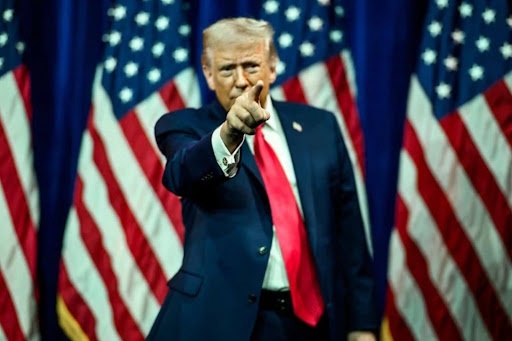
President Donald Trump sent Iran a warning on Thursday that was designed not just for Tehran but for the entire watching world, using Truth Social to make a public declaration about Iran’s negotiating behavior that no government or analyst could ignore. Trump accused Iranian negotiators of privately desperate deal-seeking even as the government publicly maintained a composed and deliberate front, and he warned in terms that the international community could hear and evaluate that the consequences of continued deception would be severe and irreversible. The public quality of the warning was itself a strategic decision.
The US ceasefire proposal spans 15 provisions and includes meaningful incentives for Iran to engage genuinely, among them sanctions relief, a nuclear rollback, missile restrictions, and the restoration of access to the Strait of Hormuz. The Strait of Hormuz carries roughly one-fifth of world oil and is of critical strategic importance. Iran’s formal rejection of the plan has been the primary barrier to the diplomatic breakthrough Trump says is achievable.
Tehran has publicly shared its own conditions through state media, including demands for protection from strikes on its officials, formal no-war assurances, war damage reparations, and internationally recognized sovereignty over the Strait of Hormuz. These demands diverge fundamentally from Washington’s offer and reflect a government with very different expectations for what peace must entail. Reconciling the two sides’ visions is the defining diplomatic challenge.
The conflict’s human consequences are immense. Over 1,500 Iranians and nearly 1,100 Lebanese have been killed, with additional casualties in Israel and across the region. Thirteen US troops have also died, and millions of civilians in Iran and Lebanon remain displaced.
Trump’s global-audience warning on Thursday put Iran on trial in the court of international opinion. Military strikes and uncertain diplomacy continue to define the situation, and the entire world that watched Trump deliver this warning is now watching to see how Iran responds. The response — whatever it is — will shape perceptions of this conflict and its resolution for a very long time.