
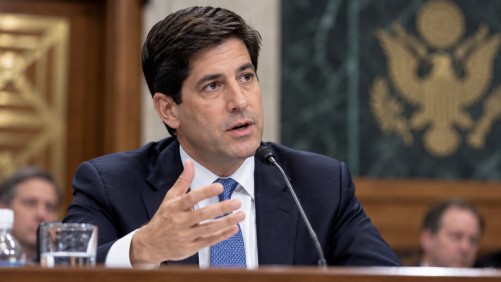
The US Federal Reserve has increased its benchmark interest rate by 0.25 percentage points, setting it within the range of 3.75% to 4%. This marks the first rate hike since July 2023, as the central bank intensifies its efforts to combat persistent inflation.
Federal Reserve Chair Kevin Warsh noted that inflation remains excessively high, and recent economic data has not indicated significant progress in reducing underlying price pressures. Despite relatively stable unemployment figures, inflation has continued to be a pressing concern, prompting the latest rate adjustment.
The move has drawn attention amid calls from US President Donald Trump for substantially lower interest rates. Trump argues that reducing borrowing costs is necessary, highlighting the ongoing debate over the Federal Reserve’s autonomy in monetary policy decisions.
As inflationary pressures persist, partly fueled by rising energy prices, the Federal Reserve’s projections suggest that another rate hike could occur before the year concludes. Officials anticipate that it will take several years for inflation to return to the central bank’s target of 2%.
Higher interest rates have implications for various sectors, as they increase costs for mortgages, car loans, student debt, and business borrowing, while also aiming to curb demand and ease price pressures. This decision follows a period of considerable monetary tightening, with inflation peaking at 9.1% in June 2022, leading to a series of rate increases through 2022 and 2023.
Despite some rate reductions in 2024 and 2025, the latest hike underscores the ongoing challenges posed by inflation, which continues to erode household purchasing power and affect consumer sentiment. Recent data indicate that inflation-adjusted wages have weakened, adding to the economic pressures faced by American consumers.