
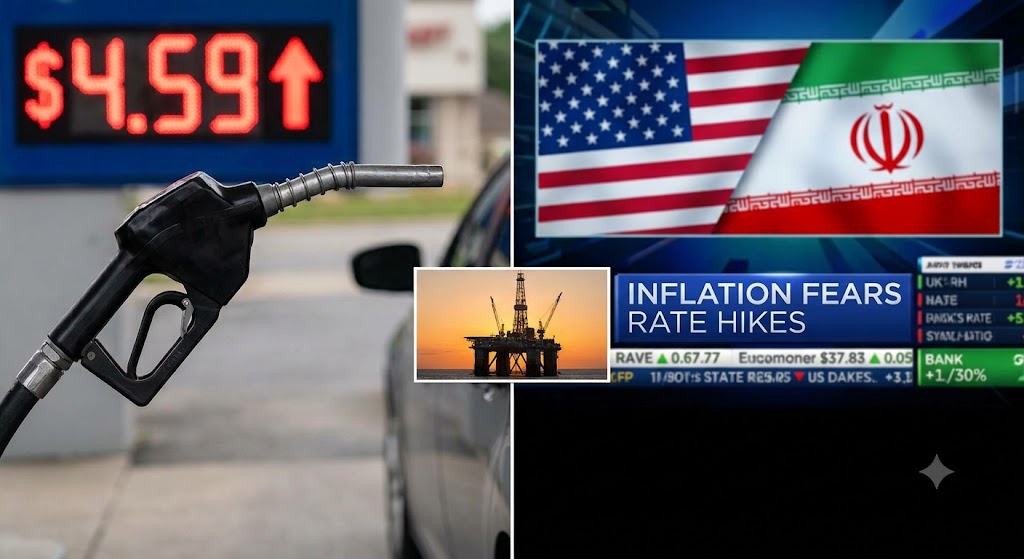
In a renewed flare-up of military tensions between the United States and Iran, global oil and gas prices have surged, sparking concerns over energy supplies and inflation. Brent crude saw a significant increase, reaching its highest point in over a month before retreating slightly. This came after U.S. President Donald Trump decided against implementing a proposed 20% levy on vessels navigating the Strait of Hormuz, a vital passage for global oil transportation.
The spike in energy costs has intensified speculation about potential actions by central banks, with institutions like the Bank of England and the European Central Bank possibly considering interest rate hikes later in the year to manage rising inflation. The financial markets responded with an uptick in bond yields, while European stock markets initially dipped due to concerns over the shipping fee proposal, before rebounding as those worries subsided.
Financial analysts caution that the ongoing instability in the Middle East might sustain volatility in the energy markets. This could have broader implications for global inflation and influence monetary policy decisions in the upcoming months. The intricate dynamics of geopolitical tensions and economic policies continue to be closely watched by investors and policymakers alike.
While the immediate threat of a shipping levy has been averted, the underlying geopolitical risks remain a significant factor impacting market sentiment. The Strait of Hormuz, a critical artery for the global oil supply, remains a focal point of concern, with any potential disruptions likely to reverberate through energy markets worldwide.
As these developments unfold, the international community remains vigilant, with economic and diplomatic strategies being carefully evaluated to mitigate the potential impacts of this evolving situation. The interplay between geopolitical tensions and economic stability highlights the complex challenges facing global markets today.